

Now FDA-approved for a new use
Not real patients.
A path forward for more men with metastatic prostate cancer
TALZENNA® (talazoparib) + XTANDI® (enzalutamide) is now approved to treat metastatic prostate cancer with HRR gene mutations that still responds to hormone therapy.
HRR = homologous recombination repair.
Ask your doctor if a targeted approach to treatment may be right for you.
What is TALZENNA® (talazoparib)?
TALZENNA is a prescription medicine used in combination with a medicine called enzalutamide to treat adults with prostate cancer who have certain abnormal inherited or acquired genes called homologous recombination repair (HRR) genes and whose cancer has spread to other parts of the body (metastatic) and:
- no longer responds to hormone therapy or surgical treatment to lower testosterone, or
- has not yet been treated with, or still responds to, hormone therapy or surgical treatment to lower testosterone.
Once-daily oral treatment
TALZENNA is a pill. Not chemotherapy, not an infusion, not an injection.
About metastatic prostate cancer with HRR gene mutations
Not all metastatic prostate cancers are the same
Some people with metastatic prostate cancer have gene changes called HRR gene mutations, including BRCA mutations. These genetic changes may affect how cancer grows and how it responds to treatment.
How can HRR gene mutations inform treatment?
A genetic and/or biomarker test can identify HRR gene mutations. Knowing your mutation status may help your doctor choose a treatment option that is tailored to you.
*This is an estimate. The studies and data used to find out how often HRR gene mutations happen in men with advanced prostate cancer varied in their design and patient characteristics. For example, studies can differ in patient populations, disease status, and testing methods.
Have you been tested for HRR gene mutations?


How treatment may help
In this study, TALZENNA + XTANDI helped reduce the risk of progression—giving some people more time without their cancer getting worse.†
The study
Who was in the trial?
TALZENNA + XTANDI was studied in a clinical trial in people who had metastatic prostate cancer that was responsive to hormone therapy with an HRR gene mutation.
What treatment did they receive?
In the study, 300 people were given TALZENNA + XTANDI, and 299 people were given XTANDI alone. Everyone either had surgery to lower testosterone or continued to take hormone therapy.
Researchers used imaging to measure progression-free survival. This looks at how long after the start of treatment that a person is alive and their cancer does not grow or spread, or until they died for any reason.
The results
Reduced risk of progression
The risk of cancer progression† was reduced by 52% with TALZENNA + XTANDI versus those taking XTANDI alone.
Cancer progression was seen in 67 of the 300 people taking TALZENNA + XTANDI vs 126 out of 299 people taking XTANDI alone.
52%
lower risk of cancer progressing
With TALZENNA + XTANDI, fewer people saw their cancer get worse than with XTANDI alone†

22%
saw their cancer get worse (67 of 300 people or a little more than 2 out of 10)
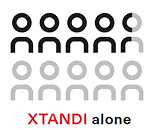
42%
saw their cancer get worse (126 of 299 people or a little more than 4 out of 10)
†Cancer progression was measured by scans, or until the patient died for any reason.
Results may vary. Ask your doctor if TALZENNA + XTANDI is right for you.
What are the possible side effects?
You may experience side effects during treatment with TALZENNA.
Serious side effects
Serious side effects occurred in 42% of people taking TALZENNA + XTANDI, including anemia, decreased platelets, and urinary tract infections.
Monitoring blood cell counts
Your healthcare provider will do blood tests to check your blood cell counts:
- every month during treatment with TALZENNA.
- weekly if you have low blood cell counts that last a long time.
Your healthcare provider may change your dose, temporarily stop, or permanently stop treatment with TALZENNA if you get certain side effects.
Common side effects
The most common side effects of TALZENNA when taken in combination with XTANDI include:
- decreased red blood cell counts
- decreased white blood cell counts
- decreased platelet counts
- tiredness or weakness
- decreased protein (albumin) levels in the blood
- decreased blood calcium levels
- back pain
- decreased appetite
- nausea
More about side effects
TALZENNA may cause fertility problems in males. This may affect your ability to father a child. Talk to your healthcare provider if this is a concern for you.
These are not all of the possible side effects of TALZENNA. Call your doctor for medical advice about side effects.
Talk to your doctor about the potential side effects of XTANDI.